

Carmen
Travel editor at Reisedrop · 2026-07-27
Travelling alone is the most honest kind of travel: every decision is yours, from breakfast to bedtime, and funnily enough you usually meet more people than you ever would on a group tour. Before that first solo trip, though, the big questions do turn up. Where to travel alone? How safe is it? And what do you do about the notorious single supplement? Here are the answers, compact and based on real experience.
Where to travel alone? The best places to start
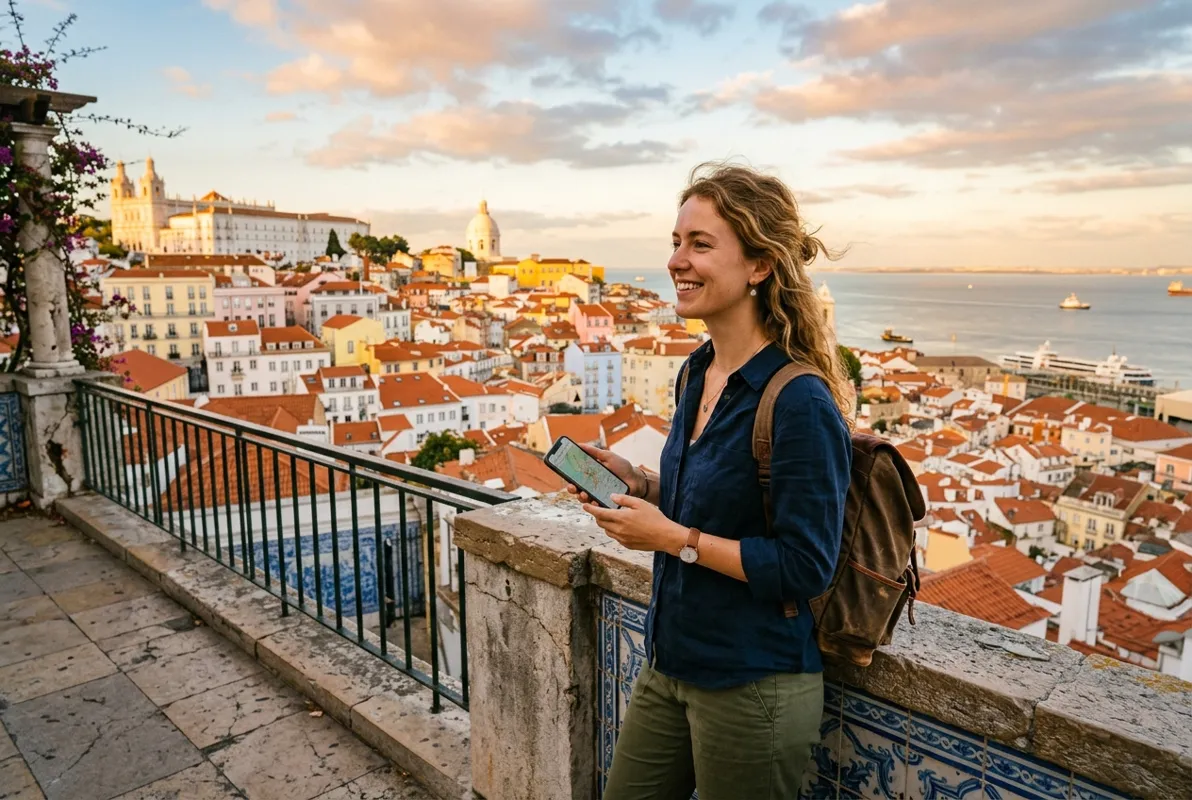
For a first solo trip, places with solid infrastructure, safe streets and an easy social vibe make life much simpler: Lisbon (charming, affordable, extremely relaxed), Vienna and Amsterdam (beautifully organised, easy to get around), Barcelona (beach + city + a huge traveller scene) and Bangkok if you want a long-haul option. Thailand, frankly, is about as solo-travel-friendly as it gets. A good beginner rule? Start with a 3–4 day city break in Europe, then work your way up to the big long-haul adventure.
Travelling alone as a woman: the 5 basic rules
First: always plan to arrive in daylight, because accommodation, neighbourhood and even the route from the airport feel entirely different during the day. Second: keep your accommodation address saved offline and send it to someone you trust. Third: book your first night somewhere central; in a new city, the outskirts are the wrong place to save money. Fourth: trust your gut. It is usually right. Fifth: never leave a drink unattended. Obvious? Maybe. But these are exactly the five things experienced solo travellers mention first.
Hostel or hotel? Both, if you do it properly
Hostels are still the easiest way to meet people on the road: communal kitchen, rooftop, pub crawls, and after two evenings you somehow know half the floor. Want privacy as well? Book a private room in a hostel. You sleep in peace, but the social bit is still there when you feel like it. Classic hotels come into their own on those in-between recovery days. In the end, the mix tends to work best.
The single supplement, and how to dodge it
Many hotels price rooms for two people, which means solo travellers often end up paying nearly the full double-room rate on their own. There are ways around it. Hostels and boutique guesthouses usually charge per bed rather than per room, city hotels are often 30% cheaper on weekdays, and in low season plenty of supplements vanish altogether. One more thing: always compare the total price for your dates rather than catalogue rates. That is exactly what price comparison is there for.
Eating alone without feeling awkward
The easiest trick is the bar counter. Sitting at the bar or kitchen counter is normal almost anywhere in the world, you can watch the chef at work, and conversations tend to happen naturally. At lunchtime, solo dining barely registers anyway. Street food markets are practically made for solo travellers, and a book or journal is, honestly, excellent company.
Meeting people: the three safest ways
Number one: free walking tours. In almost every city, free (tip-based), easy to join and usually full of other solo travellers. Number two: book experiences and day tours, whether that means cooking classes or boat trips, because doing something together beats awkward small talk every time. Number three: the hostel kitchen. Make a pack of pasta for two and, give it 20 minutes, you will almost certainly not be eating alone.
Practical: the solo checklist
Copies of passport and insurance card in the cloud, a power bank (your phone is map, ticket and translator in one), offline maps for your destination, a doorstop alarm for older accommodation, and one golden rule: tell strangers you're «here with friends» if a situation feels off. Then enjoy the freedom. No debates about the seat, the museum, or whether you really need that second dessert.
Discover hotels for solo travellers